Tag: book recommendation
-
The Richest Man in Babylon — Timeless Money Rules
The Richest Man in Babylon transforms finance learning through engaging stories that impart timeless principles. Key rules include saving 10% first, controlling expenses, wisely investing, and seeking credible advice. The book emphasizes patience in wealth-building, likening it to gardening, and remains relevant with actionable lessons for modern readers despite some limitations in context.
-
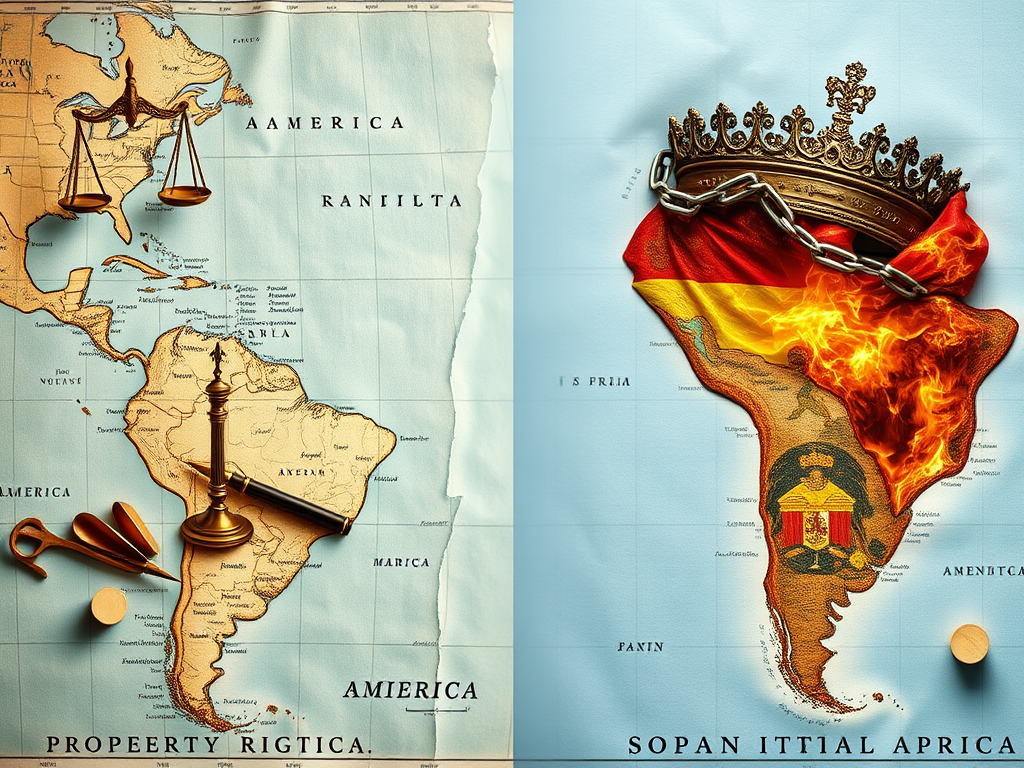
Civilisation: West and the Rest – on Property Rights
Neil Ferguson argues that the contrasting fates of North and South America stem from differences in governance, particularly rule of law and democracy versus monarchy. The influence of British philosophy, especially John Locke’s ideas on property rights and individual consent, shaped the success of North America compared to the elite-dominated political landscape of South America.
-
The Millionaire Fastlane — Escaping the Slow Road to Wealth
The author reflects on their transformation after reading MJ DeMarco’s “The Millionaire Fastlane,” which critiques traditional personal finance. DeMarco emphasizes creating scalable wealth through ownership, problem-solving, and informed risk rather than the slow accumulation of savings. The book inspires a mindset shift towards achieving financial freedom earlier in life.
-
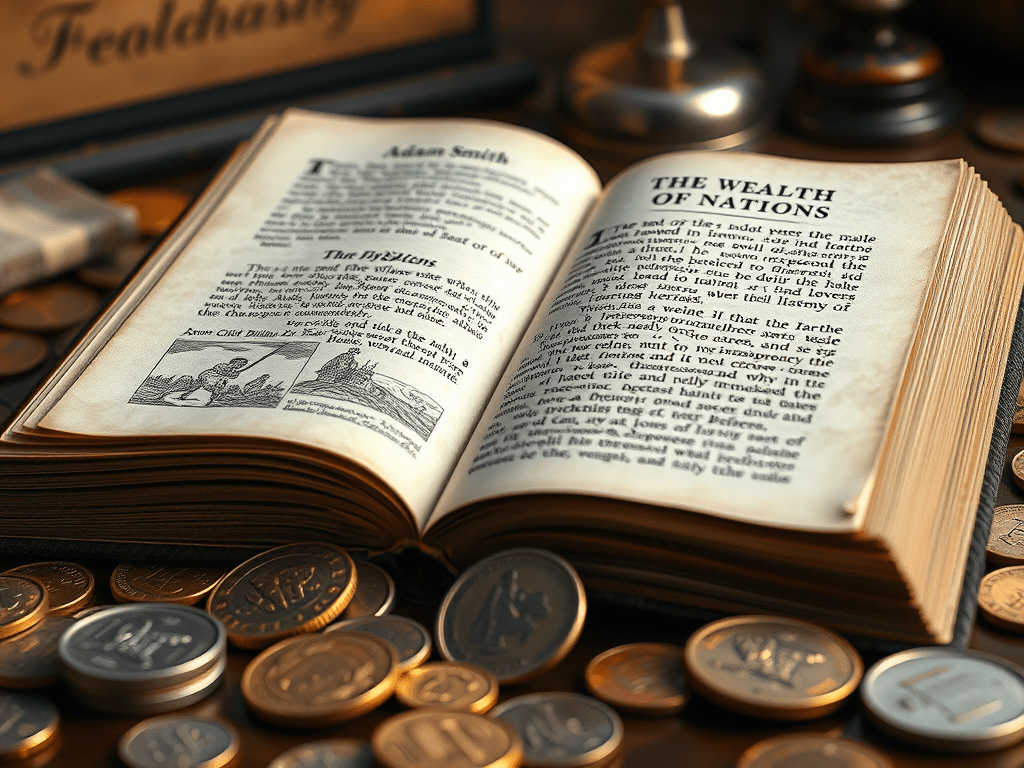
The Wealth of Nations — on Inflation
Adam Smith’s “Wealth of Nations” emphasizes that labor, not currency, was the original measure of value in economic transactions. The text explores topics like inflation and the division of labor, demonstrating timeless insights relevant to modern economics. It warns against holding fiat currency, advocating for investment in scarce, demand-driven assets to preserve real value.
-
One Up on Wall Street — Spotting Opportunities Hidden in Plain Sight
Peter Lynch’s investment principles emphasize that everyday experiences and choices can inform successful investing. In his book, One Up on Wall Street, Lynch encourages individuals to invest in familiar brands, conduct thorough research, adopt a long-term perspective, and ignore macroeconomic noise, ultimately reshaping how investors perceive opportunities in their surroundings.
-

Rich Dad Poor Dad — Two Fathers, Two Opposite Lessons About Money
“Rich Dad Poor Dad” by Robert Kiyosaki sparked global discussions on financial literacy and wealth mindset, contrasting teachings from his two father figures. The book emphasizes understanding assets versus liabilities, valuing skills over mere earnings, and managing risk. It encourages readers to rethink their attitudes toward money and seize opportunities for financial independence.
-
The Silk Roads: Reweaving the Tapestry of History
Peter Frankopan’s “The Silk Roads: A New History of the World” challenges the traditional Western-centric historical narrative by emphasizing the significance of the Silk Roads in shaping global commerce, culture, and thought. The book highlights enduring legacies and contemporary relevance, urging readers to rethink interconnectedness, resilience, and cultural dynamics in today’s world.
-

The Lessons of History – the pendulum swing
History reflects a pendulum effect, where extremes can lead to opposites, and balance is essential. Strong values must coexist with an understanding of opposing views. Embracing challenges and occasional adversity fosters personal growth, encouraging openness in relationships and business, ultimately guiding us toward equilibrium and resilience in life.
-
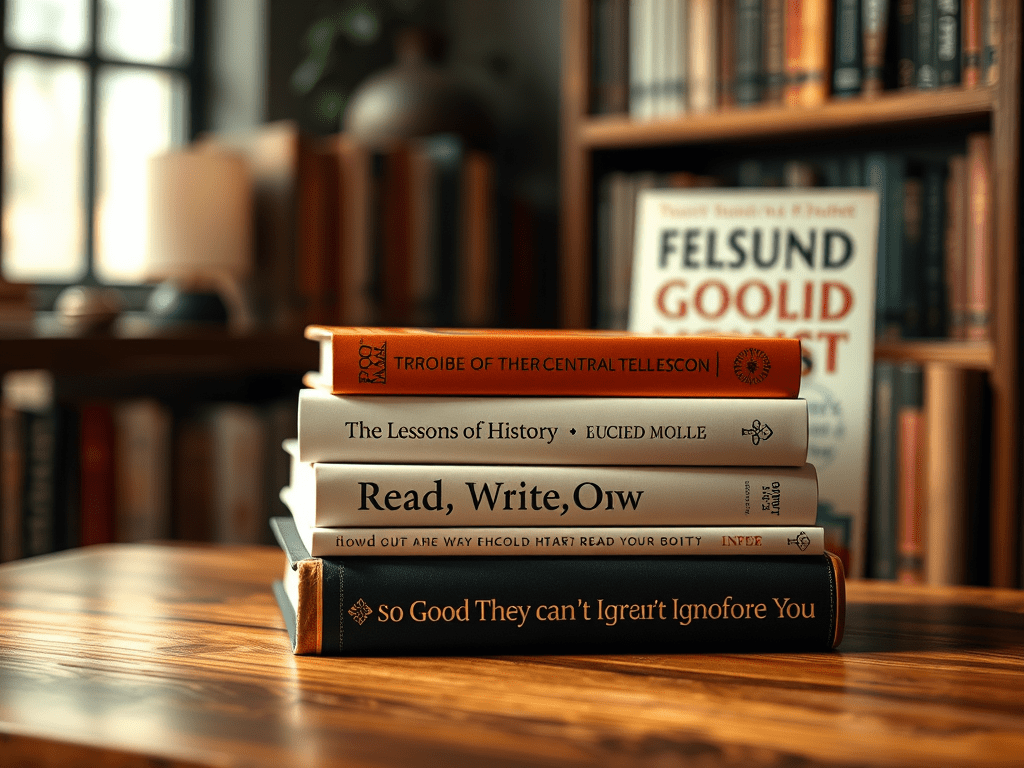
📚My Essential Reading List
The content highlights influential books that have shaped personal perspectives on history, technology, creativity, and growth. Key titles include “The Lessons of History” by Durant, examining civilization’s resilience; “Read, Write, Own” by Dixon, discussing the future of Web3; and Newport’s “So Good They Can’t Ignore You,” which emphasizes skills over passion for career success.
-

The Lessons of History – empires dies but civilization lives
The latest book I read, “The Lessons of History” by Will and Ariel Durant, delves into how history informs various subjects like economics and conflicts. It highlights that while empires rise and fall, civilization endures, emphasizing the importance of knowledge and culture passed through generations, driving human evolution and progress.
 Books Bucks & Beyond