Tag: book reviews
-
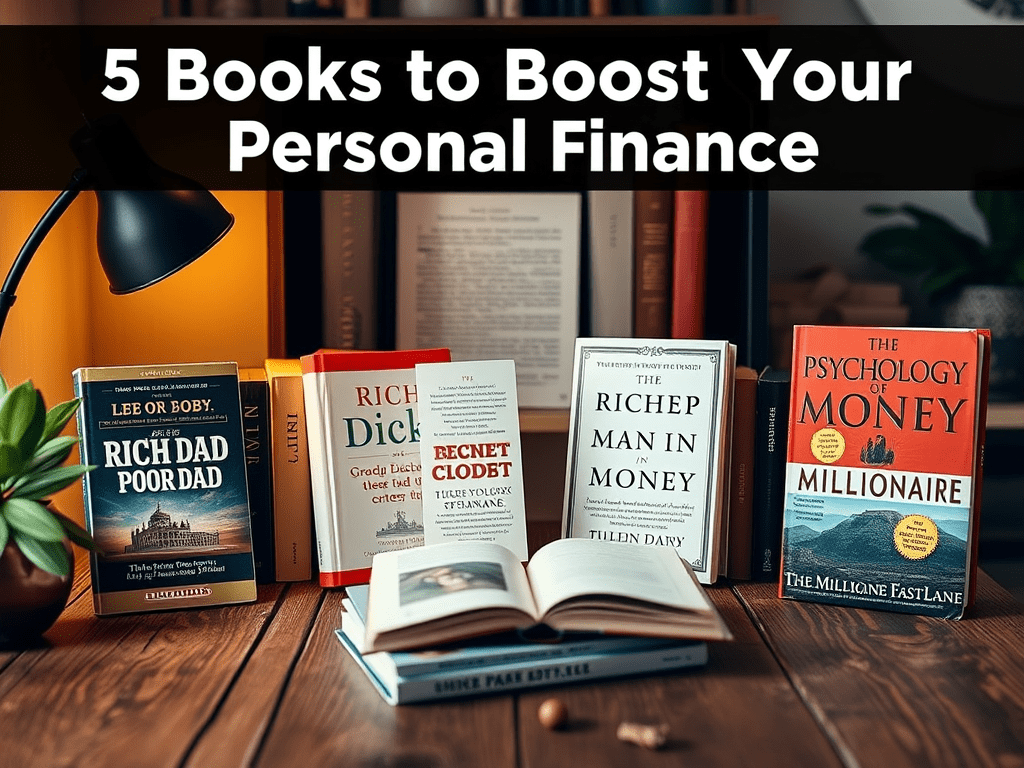
📚5 Books to Boost Your Personal Finance
The content emphasizes the lack of formal financial education, urging individuals to acquire money management skills through accessible resources. It highlights five influential books that offer essential insights into budgeting, investing, and wealth-building, teaching readers how to shift their mindset and make informed financial decisions without needing a finance degree.
-
The Psychology of Money — Outsized Power of Small Bets
Morgan Housel’s “The Psychology of Money” emphasizes the significance of small bets—minor experiments that can lead to transformative outcomes over time. These bets encourage failure as a learning tool and foster creativity without perfection pressure. Housel’s insights advocate for intentional experimentation in both finance and life, cultivating opportunities for growth and success through manageable risks.
-
The Richest Man in Babylon — Timeless Money Rules
The Richest Man in Babylon transforms finance learning through engaging stories that impart timeless principles. Key rules include saving 10% first, controlling expenses, wisely investing, and seeking credible advice. The book emphasizes patience in wealth-building, likening it to gardening, and remains relevant with actionable lessons for modern readers despite some limitations in context.
-

Civilisation: West and the Rest – on Property Rights
Neil Ferguson argues that the contrasting fates of North and South America stem from differences in governance, particularly rule of law and democracy versus monarchy. The influence of British philosophy, especially John Locke’s ideas on property rights and individual consent, shaped the success of North America compared to the elite-dominated political landscape of South America.
-

Rich Dad Poor Dad — Two Fathers, Two Opposite Lessons About Money
“Rich Dad Poor Dad” by Robert Kiyosaki sparked global discussions on financial literacy and wealth mindset, contrasting teachings from his two father figures. The book emphasizes understanding assets versus liabilities, valuing skills over mere earnings, and managing risk. It encourages readers to rethink their attitudes toward money and seize opportunities for financial independence.
-
The Silk Roads: Reweaving the Tapestry of History
Peter Frankopan’s “The Silk Roads: A New History of the World” challenges the traditional Western-centric historical narrative by emphasizing the significance of the Silk Roads in shaping global commerce, culture, and thought. The book highlights enduring legacies and contemporary relevance, urging readers to rethink interconnectedness, resilience, and cultural dynamics in today’s world.
-

The Lessons of History – the pendulum swing
History reflects a pendulum effect, where extremes can lead to opposites, and balance is essential. Strong values must coexist with an understanding of opposing views. Embracing challenges and occasional adversity fosters personal growth, encouraging openness in relationships and business, ultimately guiding us toward equilibrium and resilience in life.
-
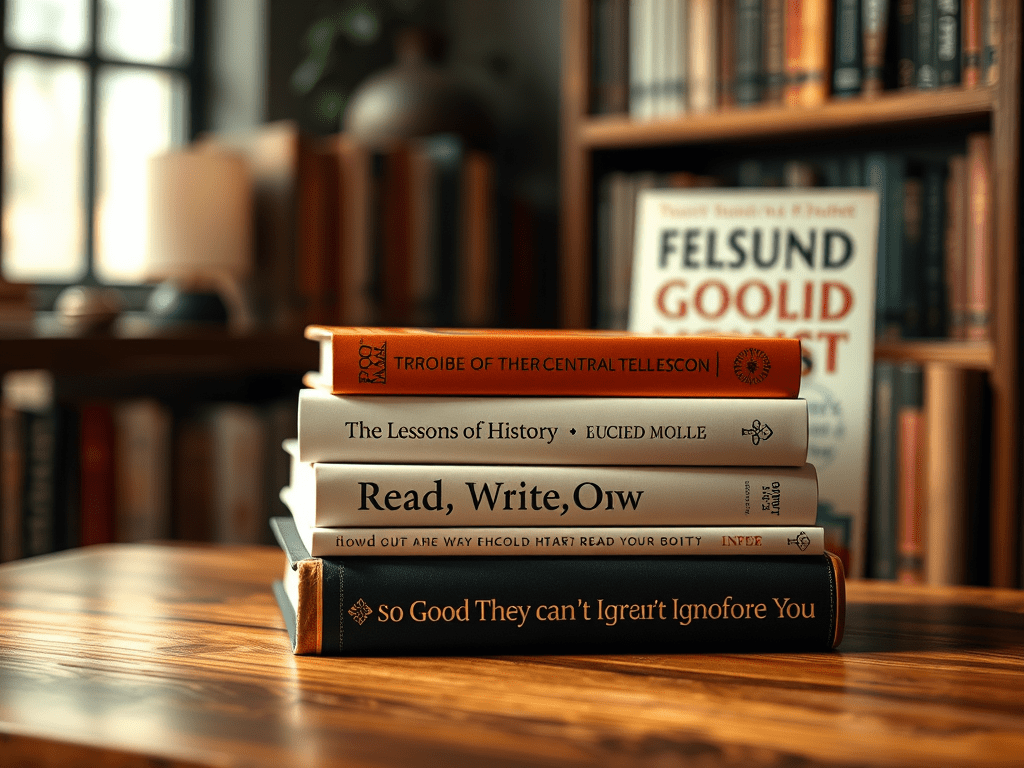
📚My Essential Reading List
The content highlights influential books that have shaped personal perspectives on history, technology, creativity, and growth. Key titles include “The Lessons of History” by Durant, examining civilization’s resilience; “Read, Write, Own” by Dixon, discussing the future of Web3; and Newport’s “So Good They Can’t Ignore You,” which emphasizes skills over passion for career success.
-

Read, Write, Own – a better explanation of web 3
Web 3 represents a significant shift in internet dynamics, emphasizing ownership for all stakeholders, such as developers and content creators. Unlike Web 2, which centralized control and revenue among platforms like Instagram and YouTube, Web 3, aided by blockchain technology, enables users to manage and own their digital identities and assets, fostering innovation.
-

So Good They Can’t Ignore You – being a craftsman
Cal Newport’s book, “So Good They Can’t Ignore You,” challenges the “follow your passion” mantra, advocating for a craftsman mindset. This approach emphasizes developing valuable skills, or “career capital,” which fosters control, creativity, and meaning in work. Newport suggests that true fulfillment arises from skill mastery rather than mere passion pursuit.
 Books Bucks & Beyond